






Mardi Gras, a window on multicultural identity in Louisiana
Autumn and the end-of-year festivities are the prescribed occasions for enjoying gumbo, but Mardi Gras is another way of measuring just how deeply this dish is rooted in Louisiana traditions.
Known the world over for the extravagant parades that set New Orleans ablaze, this colorful celebration is also experienced in Acadiana, the region surrounding Lafayette. Here, people don festive costumes to take part in what are known as "courirs". The aim: to take to the countryside of Cajun country on horseback and in a truck to beg the locals for the ingredients of a gumbo. In the parish of Saint-Martin, it's the children who set off in a friendly, musical atmosphere. At the end of the day, the tasting of the stew takes place in a popular fervor, around the same table shared by young and old festival-goers in the company of spectators. Just as a gumbo is an overlay of Louisiana's diverse origins, Mardi Gras celebrations reflect the multicultural identity of the American state.

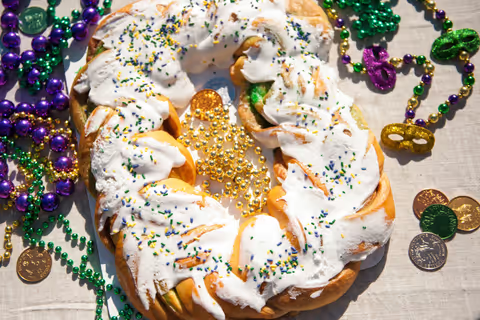
Whether Spanish, French, Cajun, Creole or African-American, every town and neighborhood celebrates this event over several weeks. Mardi Gras punctuates the festivities in style, some forty days before Easter. Everywhere in Louisiana, communities come together to share a moment of joy when it's time to bite into a king cake. A delicacy not to be confused with the Epiphany dessert in France. In Louisiana, it's a round cake, shaped with braided dough, filled with cinnamon and covered with colored icing. inside, there's a little plastic baby, a kind of bean symbolizing good luck. Whoever finds it must buy the next king cake, or else organize the next party...