Gault&Millau Trophées de l’Année: how are the nominees chosen?
Cuisinier, Pâtissier, Sommelier de l’Année… Marc Esquerré, Director of Guides and Surveys at Gault&Millau, explains how the nominees for the Trophées de l’Année are chosen and what makes the difference.

Every year, Gault&Millau honours the people who shape French gastronomy with its Trophées de l’Année. The nominees are announced first, then the winners are revealed at the Gala. Who decides? On what criteria? Marc Esquerré, Director of Guides and Surveys, explains how these awards work.
The Trophées de l’Année at a glance
- Cuisinier de l’Année: awarded since 1980, it honours a highlight in a chef’s career.
- Grand de Demain: it confirms a talent the guide has already spotted.
- Jeune Talent: it celebrates a discovery made during the year.
- Pâtissier de l’Année and Sommelier de l’Année: they highlight specialities in their own right.
- Sommelier No-Low de l’Année: it recognises work with alcohol-free and low-alcohol drinks.
- Directeur de Salle de l’Année: it honours the person who runs the dining room and brings the team together.
What do the Trophées de l’Année represent for Gault&Millau?
All of today’s awards were created over time. They truly reflect Gault&Millau’s DNA: discovery, showcasing new talent and assessing established talent. We have always championed great cuisine, with the Cuisinier de l’Année award since 1980, but also emerging talent, with the Grand de Demain and Jeune Talent awards, which appeared a few years later. Then the Pâtissier de l’Année and Sommelier de l’Année titles were added. These are specialities in their own right, and they deserve to be highlighted. We also honour the people who run the dining room, with the Directeur de Salle de l’Année trophy.
What place do they hold in the guide’s philosophy?
These awards reflect a whole year of Gault&Millau’s work: visits, reviews and survey grids that determine the trophies. For more than 50 years, one of Gault&Millau’s mantras has been the human connection. With guests, of course, but also with their teams. When you go to a restaurant, you have an experience. That moment must not be ordinary, something has to happen! That is what we reward.
How much do the rating and the on-the-ground experience weigh in the decision?
Meals and experiences count enormously in the final rating. But we also reward a moment in a career, particularly for the Cuisinier de l’Année. For the Grand de Demain, it is about confirming a great discovery. The Jeune Talent represents a discovery we made during the year.
How many people take part in the final deliberation?

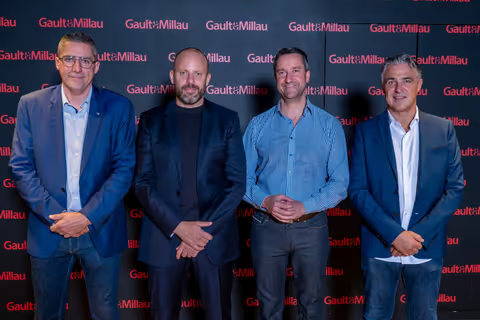
It is Gault&Millau’s select committee, meaning the management, including the Chairman and CEO, Patrick Hayoun, and myself as the inspectors’ representative.
What role does objectivity play in an inevitably subjective choice?
The choice is both subjective and, I would even say, political. Gault&Millau is also a media outlet and a company. When you crown someone, it obviously carries a lot of weight. Choosing solely on the basis of ratings would be reductive. Survey grids are only snapshots in time, whereas we have a decision to make over a whole year. It is not about favouring anyone, but about having a list that truly represents the best talents of the year. For several editions now, we have first announced nominees, and that is an important point: when we announce them, we do not yet know who will win. Then come discussions with the inspectors and correspondents, which help confirm or overturn the collective decision.
Have the criteria changed with the new generations of chefs?
In the dining room and in the kitchen, the professions evolve, and so do the criteria. The sommelier’s job, for example, has changed a lot. It used to be very ceremonial, whereas today we favour sommeliers who listen to their guests, stay natural and make suggestions without prejudice. The dining room manager must show empathy towards the team and bring people together. Cooking itself has changed a great deal. I would say that today, you have to be respectful. We will not crown a chef who does not respect the seasons (which goes without saying today), the produce, the producers and the team.
A word for chefs who dream of one day being nominated for a Trophée de l’Année?
It may seem obvious… But it is the journey that matters, not the destination. You do not try to become Cuisinier or Jeune Talent de l’Année, you become one. Every stage has to be completed.