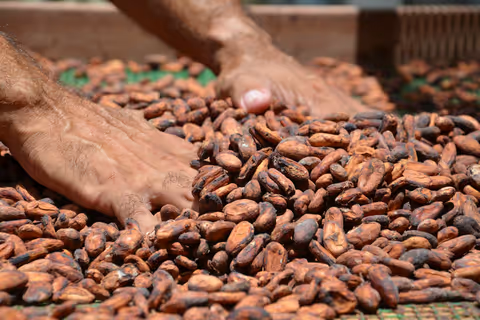
Martinique: How a Forgotten Cocoa Variety Became One of the Most Sought-After
Introduced during the colonial era and nearly extinct in the 20th century, Martinique’s cacao is now experiencing an unexpected renaissance. Combining colonial heritage, Creole gardens, agroforestry, and exceptional chocolatiers, a handful of passionate enthusiasts are breathing new life into a vibrant industry.

Five centuries before our era, the Arawaks, originally from the Orinoco Delta (present-day Venezuela), are believed to have set foot on the island, followed by the Karibs—also known as the Caribs or Kalinagos—who came from the same region. Although they were primarily hunters and gatherers, it appears that the Karibs introduced the first agricultural practices and crops, including cassava and sweet potatoes, and perhaps even the cacao tree, which thrives in tropical, humid environments.
Christopher Columbus is credited—though some historians dispute this—with the discovery of Martinique in 1502, before the French, during the reign of Louis XIII, took possession of it in 1635. At that same time, the royal and princely courts of Europe had already become enamored with cacao, which had been introduced to Europe around 1528. Louis XIV ordered the expansion of cocoa cultivation in Martinique and Guadeloupe, relying on the slave trade from Africa for labor.