About a hundred beers lined up at the starting line for our jury’s tasting, with forty favorites at the finish: a drop of beer in an ocean of craft breweries that are bouncing back after two sluggish years.
The jury: Christophe Hamieau, journalist for maltsethoublons.com; Fabien Mahé from the Galopin brewery in Bagnolet (Seine-Saint-Denis); Jérôme Martinez-Garcia, beer consultant at Bière Découverte in Montreuil (Seine-Saint-Denis); and Élisabeth Pierre, zythologist and founder of Mordu magazine.
Auvergne-Rhône-Alpes
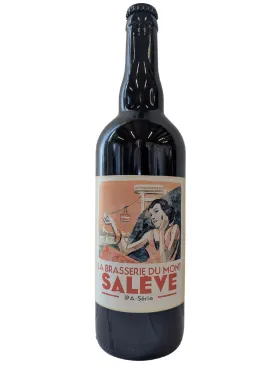
Brasserie du Mont Salève – IPA Série (NEIPA)
In Haute-Savoie, a brewery offering numerous limited-edition and original beers, including wine-infused beers made with Syrah and Grenache. IPA Série is a NEIPA brewed with two hop varieties. The first, Riwaka, brings notes of tropical fruit and pine resin, while the second, Nelson Sauvin, adds a floral character. The very soft water at the brewery helps create a refreshing beer.
This microbrewery, located in Saint-Jean-de-Muzols in the Ardèche region, offers an organic beer made with wheat and lemon zest. The citrus peel enhances the acidity while maintaining a nice balance. The zest extends the drinking experience and adds a lovely hint of bitterness on the finish. A light yet very pleasant beer.
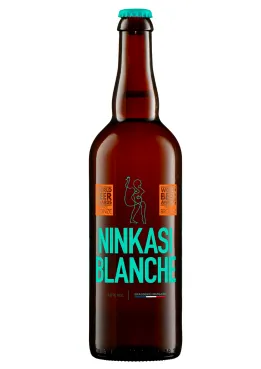
Founded in Lyon in 1997, at a time when there were fewer than 200 independent breweries nationwide, Ninkasi has grown not only through its expanding lineup of beers but also through its event venues and concert series. This Blanche is one of its historic classics and remains as successful as ever. It features a tangy, fresh flavor with a yeasty character and hints of spice. Fruity and grainy, it’s still very thirst-quenching.
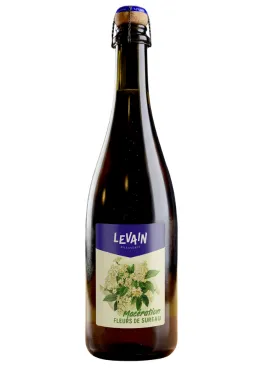
Aymeric Tissot founded his brewery in Besançon, in the Doubs department, in 2023, and specializes in beers made with indigenous yeast. This beer spent six months in oak barrels and was then infused with local elderflowers. The result is a lively beer with floral and dried-fruit aromas and a well-balanced crispness. Complex and designed to pair with food.
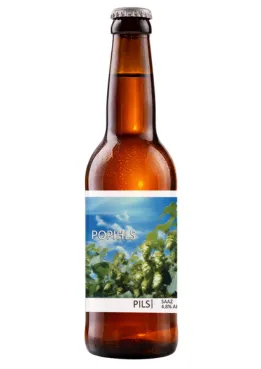
Based in Vaumort, in the Yonne department, since 2016, Popihn is a farm-brewery that grows its own grains and hops. The Popihls batch is a Czech-style pilsner featuring the traditional Saaz hop, which reveals lovely herbal notes. The texture is light in the pilsner style, yet offers a distinct bitterness that provides a pleasant finishing twist.
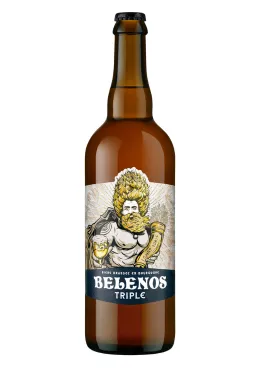
The first microbrewery to set up shop in Beaune, in the heart of the Burgundy wine region, Belenium launched the Belenos line in 2024, including this triple which, contrary to what its name suggests, is brewed using four malts (barley, wheat, oats, and rye). The beer features a rich cereal character, which lends it body and a varied aromatic profile centered on honey, cake, and toast. Elegant, refined, and without bitterness.
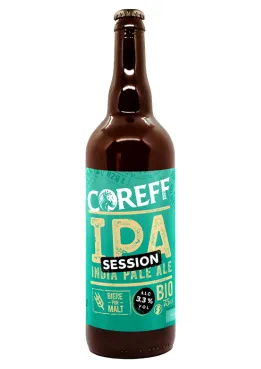
Founded in 1985, Coreff is Brittany’s oldest independent brewery. Among the many beers it has created since 1985, this Session IPA—with its 3.3% ABV—is quite a feat. The aroma is spring-like (linden, chamomile) and grainy. These notes carry through on the palate, paired with bitterness and freshness. A beer that has everything it needs, right where it should be, and with great finesse.
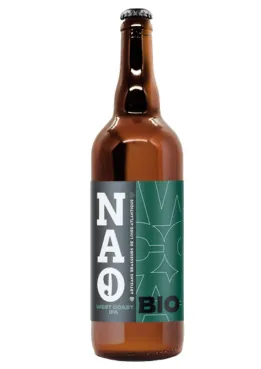
An artisanal brewery located in Loire-Atlantique, this organic brew showcases everything that makes for a quality IPA. The dominant hops bring out aromas of tropical fruits, orange, and mandarin, as well as pine sap. These notes come together on the palate with hints of malt and honey candy. It makes us want to bite into a square of dark chocolate to pair with it.
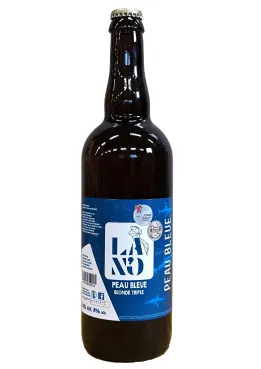
La N'O is the first brewery to have set up shop on the island of Noirmoutier. The Peau Bleue Triple is predominantly malty with a fermented nose (esters, brown sugar) and cereal notes. The palate is rich and smooth, with notes of honey and caramel. Yet it leaves a fresh finish on the palate. Sunny and voluptuous without being sweet, it carries us away with a long, grainy finish.
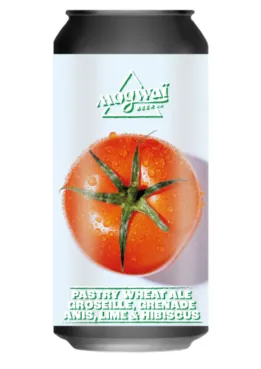
Based in Strasbourg, Mogwaï offers beers conceived as recipes. This brew is made with various ingredients, including red currants, pomegranate, lime, star anise, and hibiscus… but no tomato. The overall profile is well-balanced, both harmonious and complex. Anise remains the dominant flavor without overpowering the other notes. The wheat adds a pleasant creaminess and a flavor that lingers on the finish alongside the red berries.
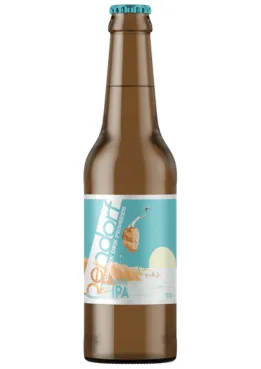
Alsace, and Strasbourg in particular, is brimming with high-quality breweries, including Bendorf, which offers this surprising white IPA. Not quite a traditional white beer, nor an IPA, this beer is a fusion of several styles. With a citrusy and floral aroma, it features a light bitterness and hints of herbal and resinous notes. Fresh and explosive.
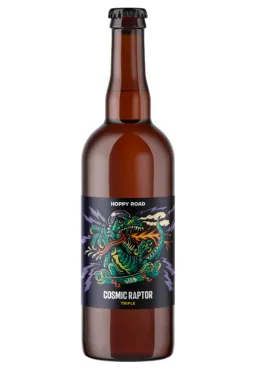
Founded in 2017 in Nancy, Hoppy Road champions the values of creativity, diversity, and independence. This is evident in this original triple. While it has a rounded body, the aroma is very fresh, centered on white fruits. On the palate, we love its thick texture and long finish. The use of certain hops, such as Hallertau White, helps lighten the sensation of sugar and alcohol. It adds an elegant and easy-drinking dimension.
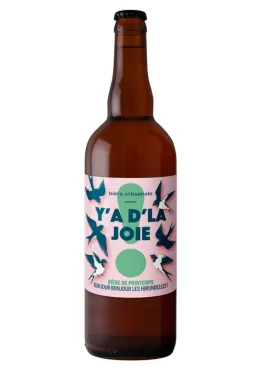
This limited-edition blonde beer, brewed in Wambrechies, north of Lille, is an ode to spring. Crafted with jasmine and Sichuan peppercorns, its aroma reveals a floral and spicy profile. Slightly coppery with a lovely texture from the malts, it’s full-bodied and has a long finish. The bitterness on the finish leaves you wanting more. Try it with spicy dishes.
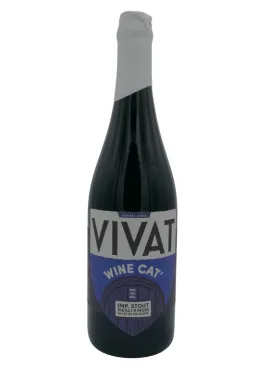
A brewery in Le Cateau-Cambrésis, in northern France, which is being revived in 2022 within the walls of this former Benedictine abbey that once hosted an early brewing venture. The usual Imperial Stout Night Cat, aged for nine months in Bordeaux red wine barrels, becomes the Wine Cat Imperial. It transports us into the world of wine with notes of prune, blackcurrant, and licorice, and body provided by the tannins from the wood. Rich and indulgent, this beer still retains a lovely tangy edge. A real treat.
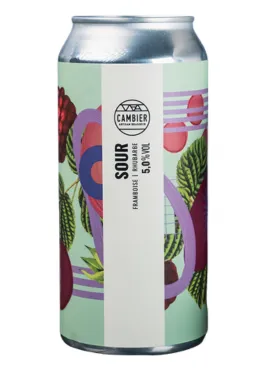
Founded in the mid-2010s in Croix, in the Lille metropolitan area, the Cambier brewery offers a sour beer here whose acidity—despite the presence of rhubarb and raspberry—is not overly pronounced, allowing the fruit to shine. Refreshing at 5% ABV, it’s ideal for introducing newcomers to tart beers, as it stays true to its fruity character. It pairs well with fresh cheeses and chocolate.
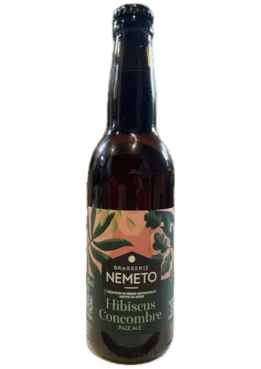
Based in Nanterre, Nemeto is both a certified organic brewery and a cookie factory that repurposes spent grain. This pale ale is based on a blonde beer with hibiscus, which gives it a lovely salmon color, cucumber for freshness, and oats for body. It has a pronounced flavor without being unbalanced. Ideal for pairing with Greek salads during the summer. We appreciate its low alcohol content (3.8% ABV).
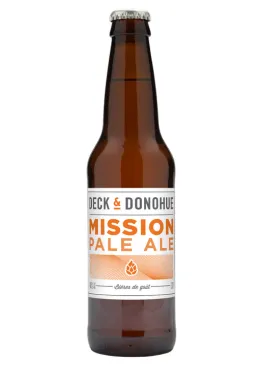
Thomas Deck and Mike Donohue first established their brewery in Montreuil (Seine-Saint-Denis) in 2013. This pale ale, named Mission, was the first beer they released. Later, the brewery moved to Bonneuil-sur-Marne (Val-de-Marne), and Mike left the venture. Despite these changes, this beer remains part of the lineup. It was a staple of many beer enthusiasts’ early years and embodies the very essence of a pale ale: a full-bodied mouthfeel and hops that energize the beer without being overly bitter. The very definition of balance.
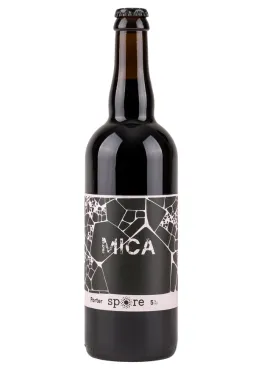
A cooperative brewery located in the Eure department, just outside the Île-de-France region, Spore presents an elegant yet authentic take on a porter. The aroma is roasted, centered on coffee and chocolate, with notes of black olives and soy sauce. Truly captivating. On the palate, the roasted character persists, with just the right touch of richness to coat the mouth and a light, airy quality that keeps you coming back for more. An organic beer perfect for barbecues featuring rib roast or fish such as sardines and mackerel, or as a slightly chilled aperitif paired with tapenade-topped toast.
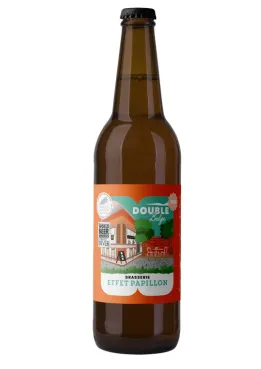
Both a brewery and a bar located in the Bordeaux region, Effet Papillon describes its Belgian Double as amber and indulgent—and it certainly doesn’t disappoint. Round yet harmonious and balanced, full-bodied yet elegant—this is Nouvelle-Aquitaine’s take on the Belgian double, and it’s an instant favorite. Perfect as a post-meal beer, it pairs beautifully with a slice of Saint-Nectaire cheese or dessert. What’s more, it’s organic—which only adds to its appeal.
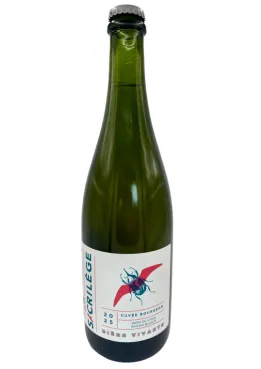
In Montpellier, the Sacrilège brewery offers a wide range of beers that frequently incorporate other ingredients. Bourgeon is what’s known as a “vineyard beer”—in other words, a blend of beer fermented with white grape pomace, aged for six months in barrels. It’s beautiful, it’s delicious, and the overall profile is clearly cohesive. A beer full of brightness and richness, with genuine aromatic complexity centered on floral and fruity notes. There’s just the right amount of bitterness on the finish to bring the beer’s character to the forefront, along with a slight salinity.
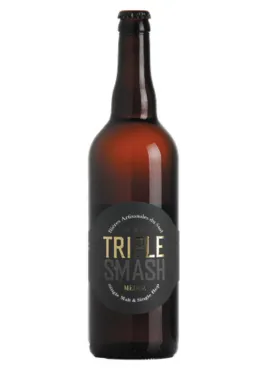
In the Gard region, Meduz produces a fairly wide range of beers, including this Triple Smash, brewed with a single malt and a single hop. The aroma is very fruity, featuring yellow fruits and pear accented by a hint of white pepper. The finish features a citrus-forward bitterness, with orange and orange zest. A heavily hopped beer that gives it a lovely character.
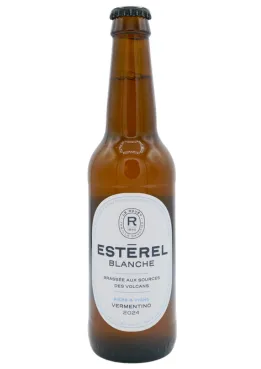
Château du Rouët, a winery in the Côtes-de-Provence appellation, has been brewing beer for the past few months. In addition to lemon, orange, and cilantro, this white beer is blended with 3% Vermentino wine, which gives it an extra dimension. The grainy notes give way to a fruity, slightly vinous character. Ideal as an aperitif and a great alternative to wine.
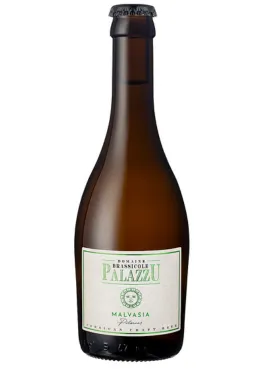
Malvasia, or Malvoisie, is another name for the Vermentino grape variety on the Isle of Beauty. This beer has the lightness of a pilsner but with a surprising aroma—one that’s more distinctly wine-like, with notes of grapes and citrus. Despite its lightness, it retains body with a lovely creaminess. The finish is dry and velvety, creating a harmonious balance. A delightful curiosity best enjoyed by the sea.
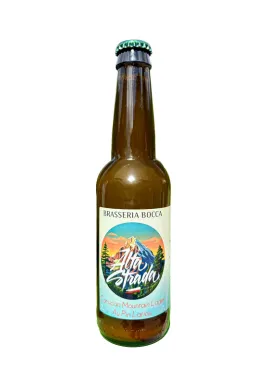
Nestled in the heart of the Corsican mountains, the Bocca brewery uses water from a spring that flows at an altitude of 1,340 m and local ingredients. This lager is brewed with “lariciu” pine needles, a black pine species endemic to Corsica. The result is a beer with an elegant texture and a creamy head, with the pine adding a lovely refreshing note. The bitterness remains somewhat pronounced.