






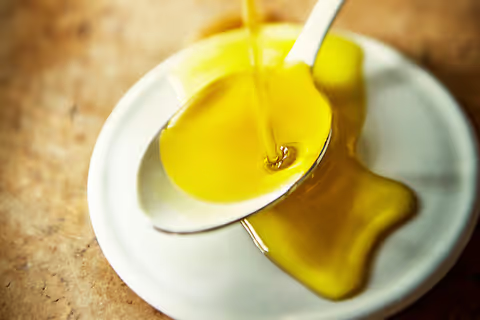
The Benefits of Olive Oil
One of the reasons the Mediterranean diet—one of the healthiest diets in the world—has been added to UNESCO’s Intangible Cultural Heritage list is, among other things, because olive oil plays a central role in it. When used in moderation, it is packed with nutritional benefits.
Improved vascular health, a lower incidence of type 2 diabetes, and protection against skin aging… Olive oil offers numerous benefits. Rich inomega-9, primarily oleic acid,monounsaturated fatty acids with proven health benefits, olive oil containsvery little omega-3, which means it cannot, on its own, meet all essential fatty acid needs. “It’s an excellent base, but it should be combined with other complementary sources of fat, such as canola oil or nuts,” emphasizes dietitian and nutritionist Sophie Janvier.
To be consumed in moderation
What sets olive oil apart from other oils is its polyphenolcontent —“particularly oleuropein (which gives the oil its bitterness) andoleocanthal (which gives it its pungency), as well as various compounds (sterols, triterpenes, carotenes, chlorophylls, etc.) that contribute both to the oil’s organoleptic properties and to its stability and health benefits,” explains Christophe Lavelle, a biophysicist andco-author of *A Case for Fat * (Hachette Cuisine, 2026).
The earlier the olives are harvested, the richer they are in polyphenols and antioxidants. The best category is therefore “green fruity” (see glossary on page 86). “Conversely, oils made from riper olives—often described as ‘ripe fruity’—are milder and rounder, but also contain lower concentrations of these protective compounds,” explains Sophie Janvier.
Olive oil should, however, be consumed in moderation and as part of a balanced diet, as itis still high incalories. “According to current health recommendations, lipids (i.e.,fats) should account for about 35 to 40% of total energy intake, with ideally half of these lipids in the form of monounsaturated fatty acids ,” continues the dietitian-nutritionist. As we’ve seen previously, this is the case with olive oil. Sheadds: “It can therefore be the main source of added fat in the daily diet, in amounts of around 2 to 3 tablespoons per day for adults.” The specialistemphasizes that it’s best to vary the types of oils used to ensure an adequate intake of omega-3s, which are present invery small amounts in olive oil.
Beware of Fraud
Olive oil has no shortage of benefits, which has allowed it to rise from aNutri-Scoreof C to B. As part of an update to the logo’salgorithm in 2024, it was decided,among other things,to place greateremphasis on oils rich in omega-3 and monounsaturated fatty acids (olive, canola, walnut, sunflower— which went from D to C— etc.).
Beware offraud,however !In tests conductedby the association Que Choisir Ensemble in 2025, the qualityof three-quarters of the twenty olive oils analyzed did not justify the“extra virgin ” designation. In other words: they did not meet the physicochemical andqualitycriteria for an olive oil of thistype—something thathasneverbeen seen before! The cause: soaring prices and a shortage of raw materials following the two years of drought in 2022 and 2023, which drove some producers to cut corners at the expense of quality.
There remains the issue of contaminants such as phthalates and plastics found in some olive oils. Sophie Janvier advises choosing oils packaged in glass: “Phthalates and plastics have a sort of chemical affinity with fat, so they will naturally migrate into it, ” she warns.
This article is excerpted from Gault&Millau magazine No. 14. It is available in bookstores and on the Gault&Millau e-shop.