How Bocuse, Robuchon, and Ducasse Saved Squash from Bland Soup
Brought over from the Americas in the 16th century or from Asia, the plumpest of the cucurbits took centuries to gain culinary prominence. Now, and for the next few months, butternut squash, pumpkin, and potimarron—to name a few—will remain in the spotlight.
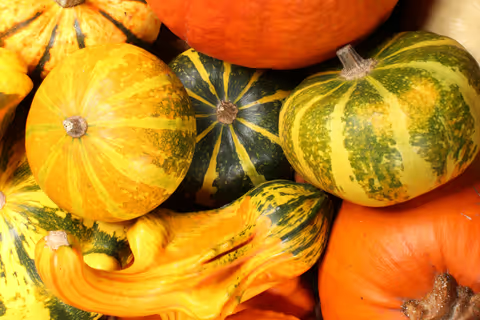
Just like the pumpkin in Charles Perrault’s fairy tale that was transformed into a carriage, fall cucurbits have magically evolved from humble, nutritious fruits into prized culinary ingredients. We’re not talking here about squashvarieties from Africa orAsia, such as the calabash, which, when dried, served as a container for the Romans. Nor are we referring to the summer cousins of the large cucurbit family, such as the cucumber, watermelon, or the sweet melon that Henri IV, Louis XIV, and Alexandre Dumas were so fond of. This family of creeping plants includes thousands of varieties, grouped into 800 species and 130 genera, of which only six are widely cultivated around the world. Thefall varietiesbelong to the genus Cucurbita, primarily brought back fromCentral America by Portuguese and Spanishexplorers , and come in a variety of shapes, colors, textures, and sizes—some of which are quite unusual.